The History Of Ubuntu®
🚀 The Genesis & Debian Roots (2004)
- The Founder: South African entrepreneur Mark Shuttleworth sold his security company, Thawte, for $500 million. He used this wealth to create Canonical Ltd.
- The Problem: In 2004, the highly stable Debian Linux distribution was notoriously difficult for average users to install and maintain.
- The Mission: A small team of Debian developers aimed to deliver a user-friendly desktop experience. It brought graphical installations and automated hardware configuration to Linux.
- Free ShipIt Program: To bypass the slow global internet speeds of the mid-2004s, Canonical mailed millions of free Ubuntu CDs worldwide at zero cost to users.


📈 Structural Growth & The LTS Model (2006–2010)
- The Versioning Strategy: Releases are deployed every April and October. Version numbers utilize a “Year.Month” format (eg, 4.10 launched in October 2004). [1]
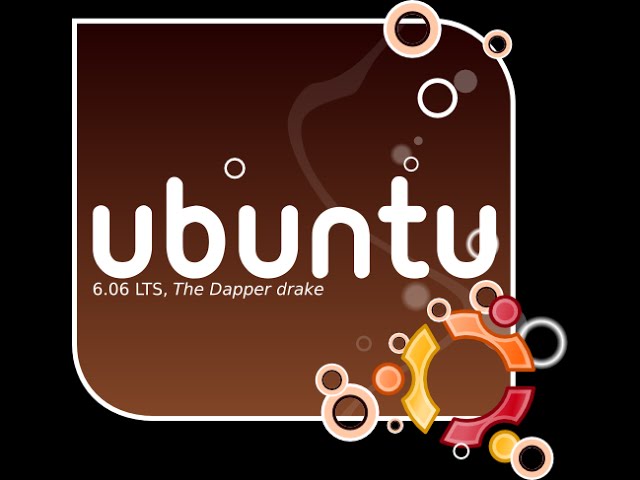
- Long Term Support (LTS): Launched with Ubuntu 6.06 LTS (“Dapper Drake”) . LTS versions are released biennially in April. They offer years of enterprise-grade security patches and system stability. [1, 2]
- Hardware Partnerships: Dell and other major manufacturers began selling consumer laptops pre-installed with Ubuntu. This established alternative marketplace positioning against Microsoft Windows. [1, 2]
🔄 The Interface Battles & Failed Experiments (2010–2017)
- The Unity Desktop: In 2010, Ubuntu dropped the standard GNOME interface. Canonical built Unity , a custom desktop designed to unify phone, tablet, and PC layouts.
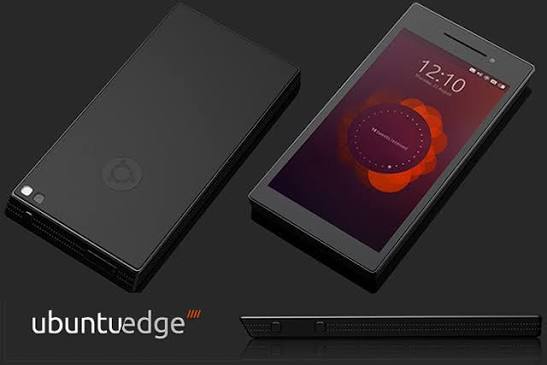
- The Convergence Strategy: Canonical attempted to build a smartphone OS called Ubuntu Touch . They also launched a crowdfunding campaign for a high-end smartphone, the Ubuntu Edge .
- The Retreat: The mobile market proved impenetrable. Convergence failed, and phone hardware production stalled. In 2017, Canonical abandoned Unity and pivoted Ubuntu desktops back to a customized GNOME layout.

☁️ Cloud Dominance & Modern Eras (2018–2026)
- The Cloud Engine: Despite desktop interface challenges, Ubuntu Server became the baseline for cloud infrastructure. It dominates Amazon Web Services (AWS) , Google Cloud, and Microsoft Azure deployment metrics. [1]
- Snap Packaging: Canonical launched the Snapcraft ecosystem . This sandboxed universal packaging system lets developers deploy software seamlessly across multiple Linux versions.
- Commercial Viability: Canonical shifted towards corporate compliance via enterprise subscriptions. By monetizing services like Ubuntu Pro and extended enterprise lifecycles, Canonical pushed annual revenues toward $300 million .
- Recent Milestones:
- Ubuntu 24.04 LTS (“Noble Numbat”): Celebrated 20 years of OS history with structural performance hardening.
- Ubuntu 26.04 LTS (“Resolute Raccoon”): Deployed in April 2026, delivering default post-quantum SSH encryption keys, Rust-based core command line tool alternatives (
sudo-rs), and a pure-Wayland display pipeline.