
The History Of Apple™
Apple Inc. was Founded on April 1, 1976, by Steve Jobs, Steve Wozniak, and Ronald Wayne in a Los Altos garage. Starting with the Apple I computer, the company grew into a personal computing pioneer, notably with the 1984 Macintosh. Following Jobs’ departure and a near-bankruptcy in the 1990s, Jobs returned in 1997, leading a historic turnaround driven by the iPod, iPhone, and Apple Silicon.
The Early Years (1976–1985)
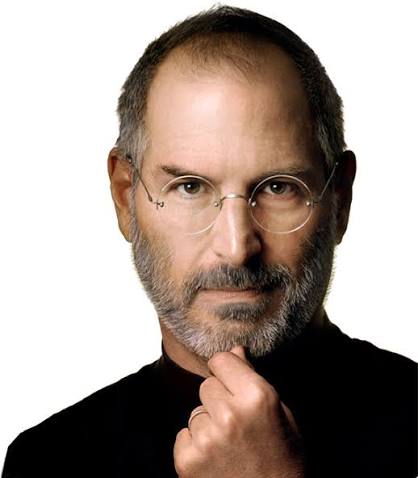
(1955-2011)
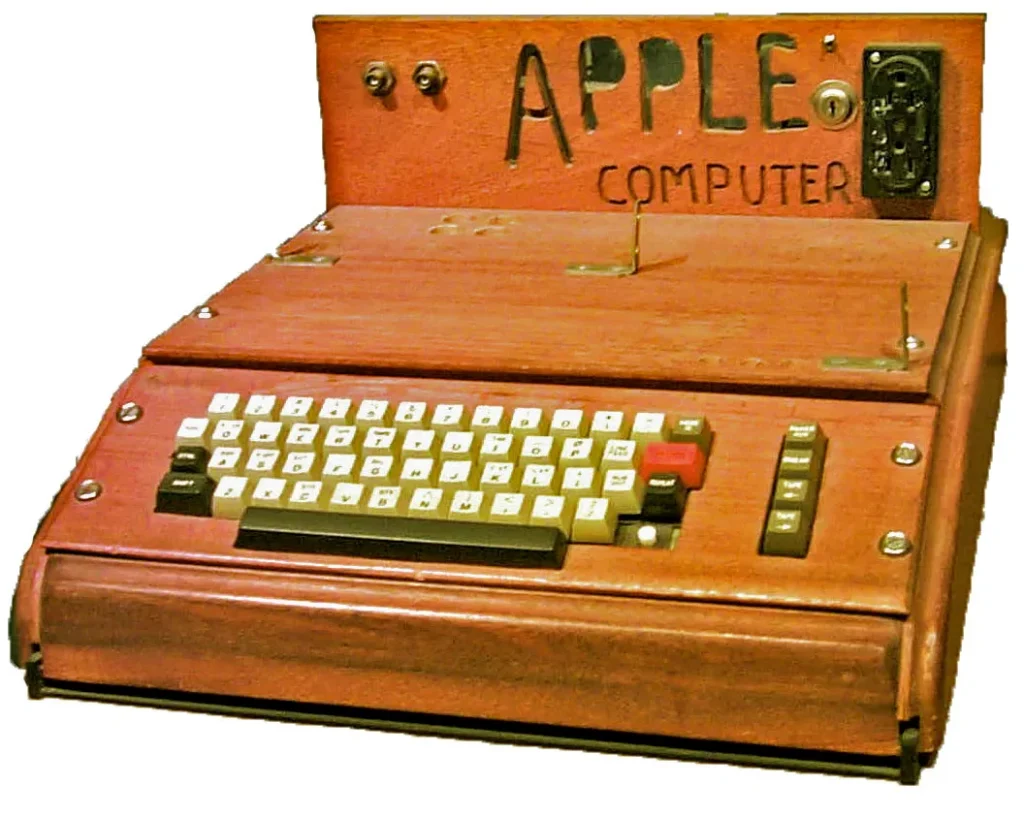
- The Garage Days: Wozniak and Jobs started by building the Apple I, selling the bare circuit board for $666.66. The company was officially incorporated on January 3, 1977.
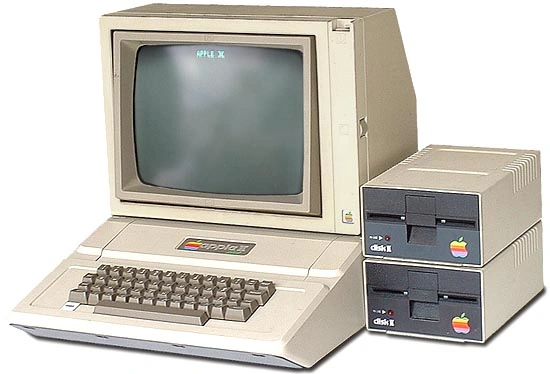
- Apple II (1977): The first mass-market personal computer with color graphics, which cemented Apple’s initial financial success.
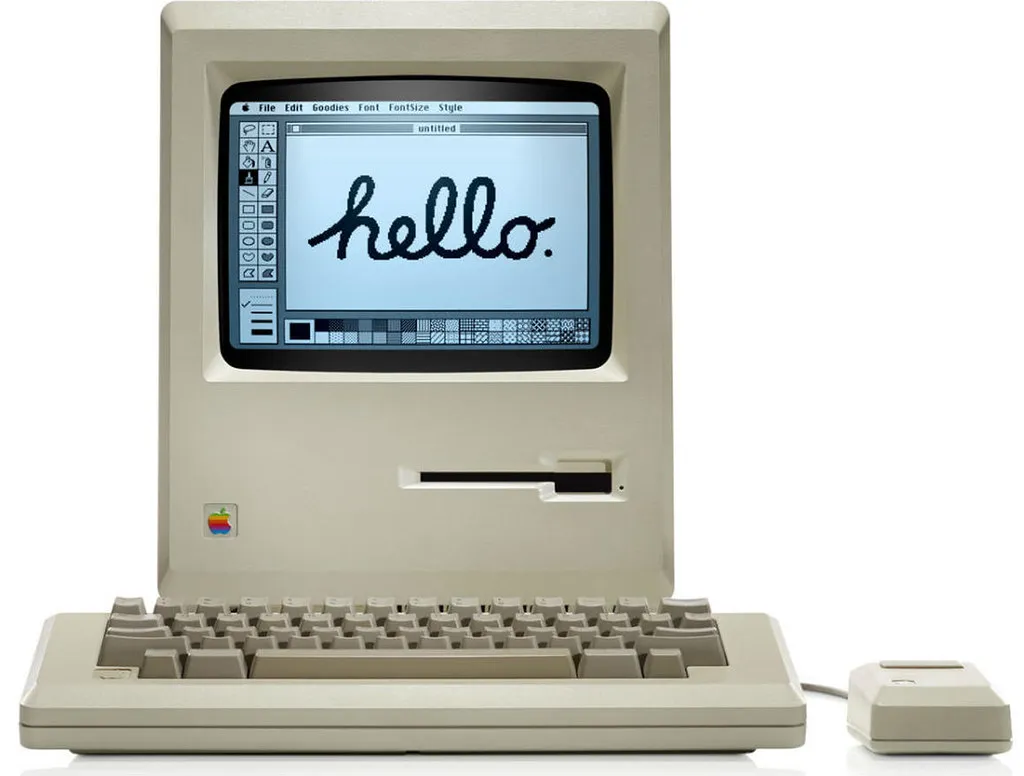
- Macintosh (1984): Launched with a famous Super Bowl commercial, this was the first successful mass-market personal computer to feature a built-in graphical user interface (GUI) and mouse.
- Internal Strife & Departure: Following a power struggle with CEO John Sculley, Steve Jobs was forced out of Apple in 1985.
The Wilderness & Renaissance (1986–2000)
- The Slump: Without Jobs, Apple lost its competitive edge throughout the 1990s as Microsoft’s Windows dominated the PC market.
- The Return (1997): Apple bought NeXT (the company Jobs founded after leaving Apple), bringing Jobs back into the fold. He was named interim CEO (later permanent) that same year.
The Digital Hub Era (2001–2010)
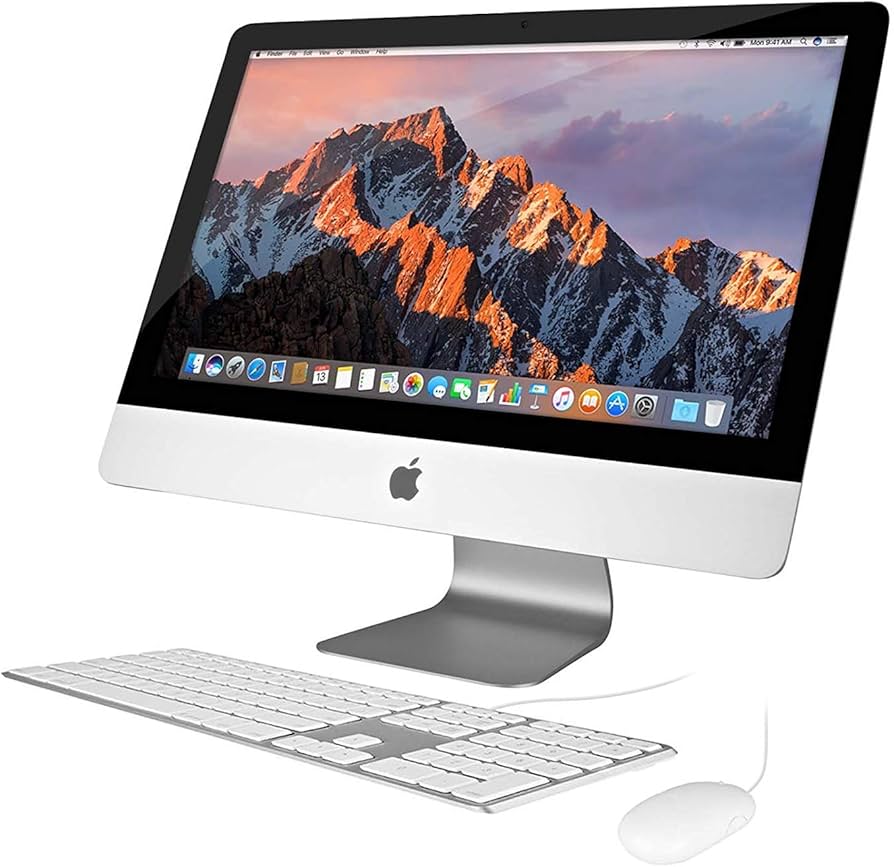
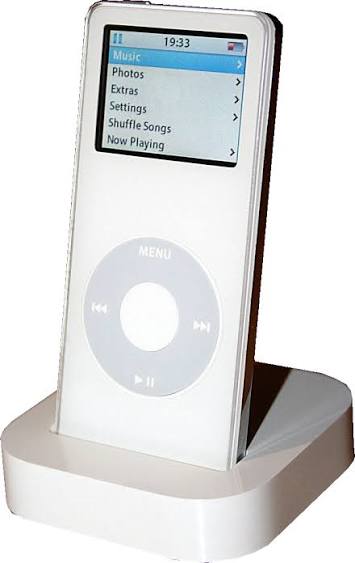
- iMac & iPod: The translucent, colorful iMac (1998) revitalized the company. In 2001, Apple launched the iPod and iTunes, which revolutionized the music industry.
- iPhone (2007): Announced by Steve Jobs as a combination of an iPod, a mobile phone, and an internet communicator, the original iPhone launched the smartphone era and popularized multi-touch screens. The App Store was introduced a year later.
- iPad (2010): Created a new product category for tablet computing.
Modern Success (2011–Present)
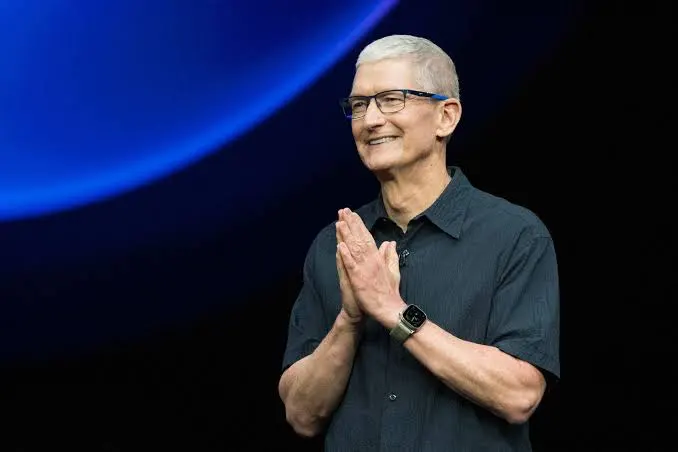
- Tim Cook’s Leadership (2011): After Steve Jobs passed away in October 2011, Chief Operating Officer Tim Cook took over as CEO.
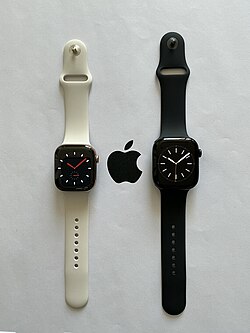
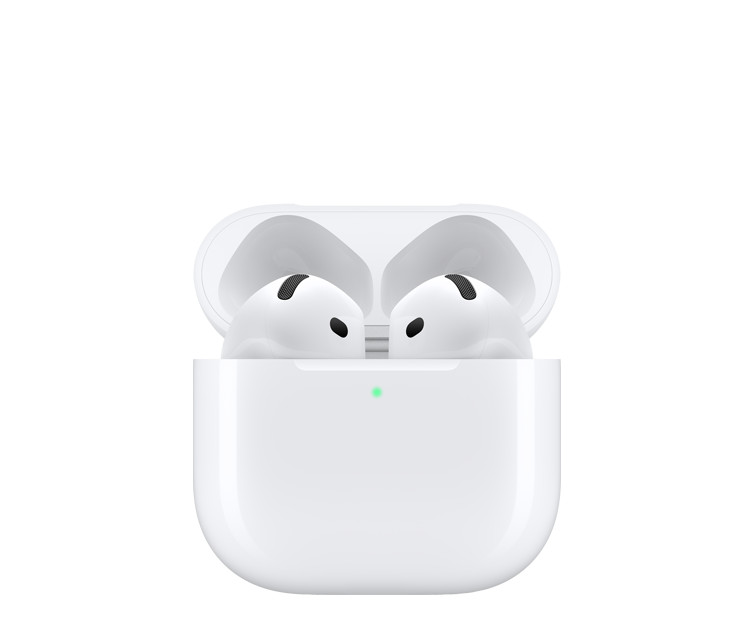
- Hardware Expansion: Apple introduced the Apple Watch (2015) and AirPods (2016), turning them into industry-leading wearables.
- Apple Silicon (2020): Apple transitioned its Mac lineup away from Intel processors to its own M-series ARM chips, drastically boosting performance and battery life.
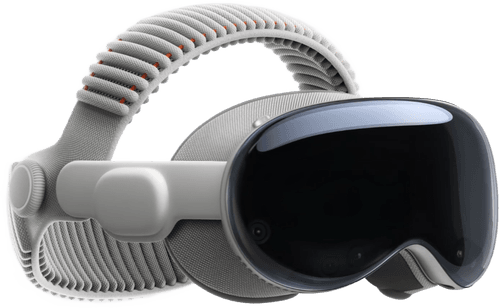
- Recent Innovations: Apple entered spatial computing in 2024 with the launch of the Vision Pro headset and subsequently integrated generative AI features through its “Apple Intelligence” platform.
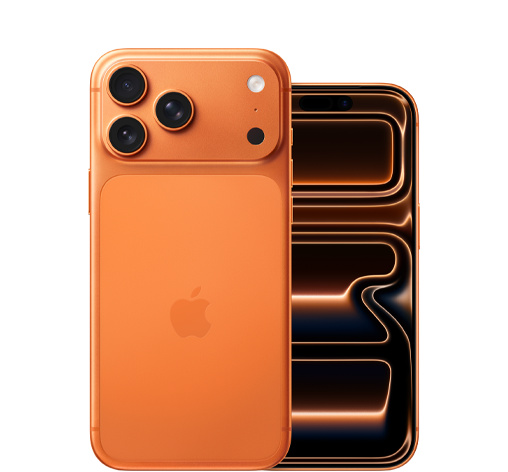
Released on September 19 2025