
The History Of PCs (Personal Computers)
The history of the Personal Computer (PC) spans from room-sized military calculators to pocket-sized modern powerhouses. The core trajectory of this evolution relies on miniaturization, affordability, and the democratization of information .
1. The Pre-PC Era: Heavy Iron (1940s–1960s)
Before computers were personal, they were institutional behemoths.
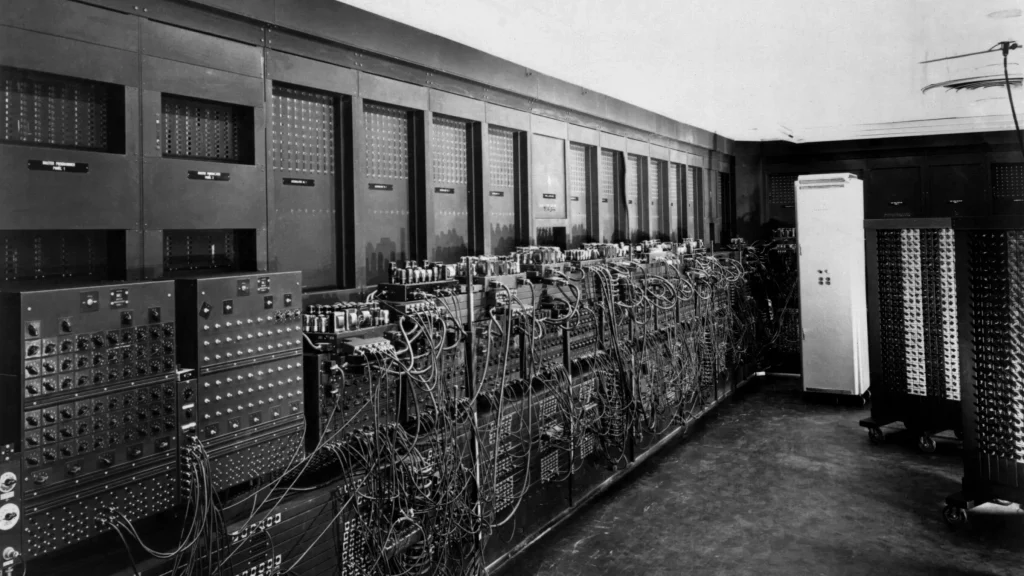
- The First Computer : The ENIAC, was the first computer in history, invented by John Mauchly and J. Presper Eckert
- Institutional Ownership : Only governments, universities, and massive corporations could afford them.
- Enormous Footprint : Machines like the ENIAC occupied entire rooms and used thousands of delicate vacuum tubes.
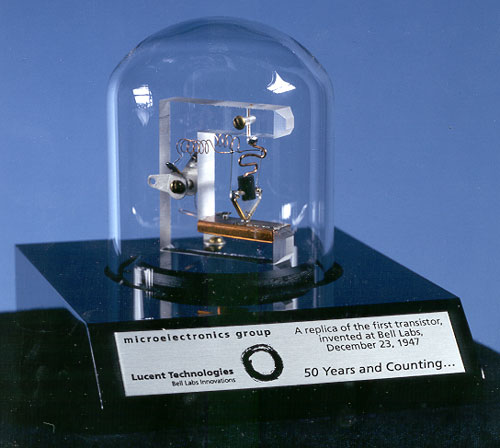
- The Silicon Spark : The 1947 invention of the transistor at Bell Labs replaced vacuum tubes.
- Integrated Circuits : Robert Noyce and Jack Kilby later squeezed entire electrical circuits onto single silicon chips.
2. The Microprocessor Spark (Early 1970s)
The true catalyst for the personal computer was the invention of the single-chip Central Processing Unit (CPU).
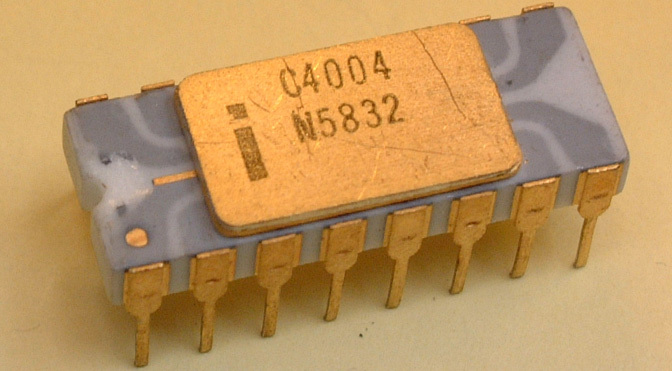
- Intel 4004: Released in 1971, this first commercial microprocessor packed the power of an ENIAC onto a tiny chip.
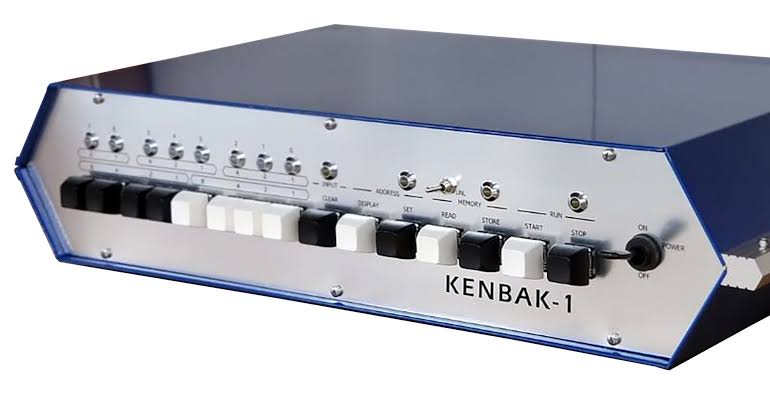
- Kenbak-1: Built in 1971, it is recognized by the Computer History Museum as the world’s first PC, operating before microprocessors .
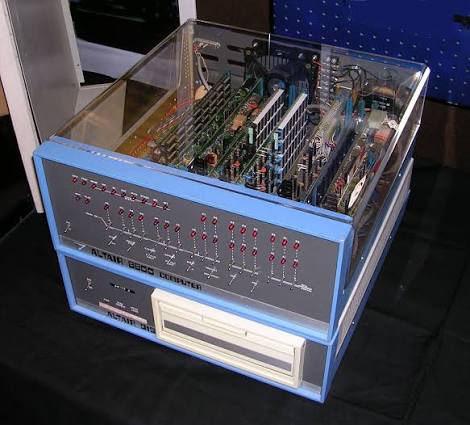
- Altair 8800: Launched in 1975 in kit form via a Popular Electronics cover story, it kicked off the microcomputer revolution.
- Early Software : Bill Gates and Paul Allen founded Microsoft to write a BASIC language interpreter for the Altair.
3. The Trinity & Mainstream Adoption (Late 1970s)
By 1977, computing shifted from technical hobbyists assembling kits to consumers buying fully built appliances. The market was dominated by three iconic machines:
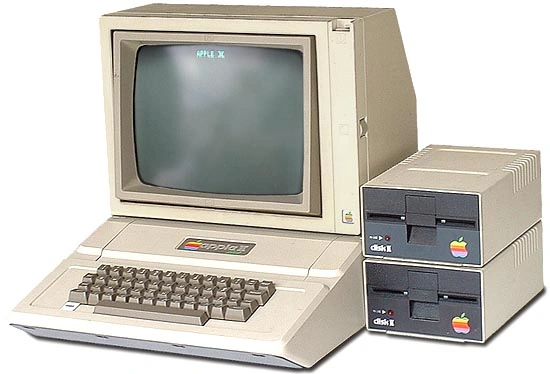
- Apple II: Designed by Steve Wozniak, it features color graphics and an open, expandable design.
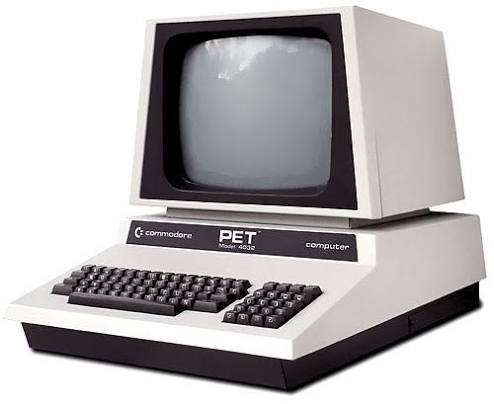
- Commodore PET: A highly successful all-in-one computer featuring a built-in monitor and cassette tape drive.
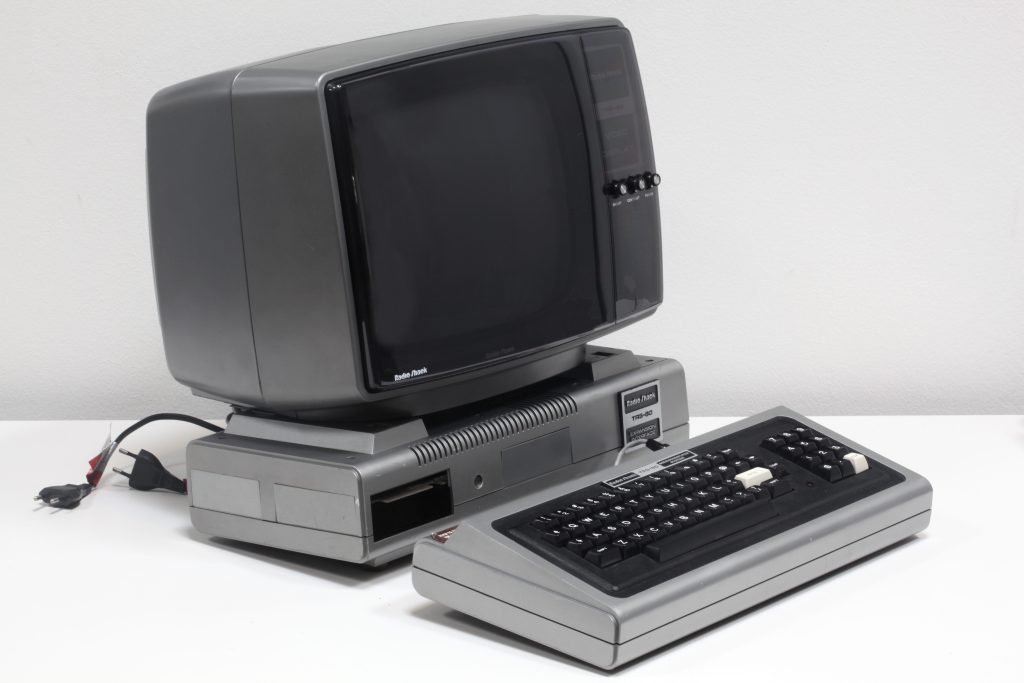
- TRS-80 : Nicknamed the “Trash-80” and sold by Radio Shack, it brought affordable computing to the mass market.
- Killer App : The launch of VisiCalc in 1978, the first electronic spreadsheet, turned these machines into serious business tools.
4. The IBM Standard & Clones (1980s)
IBM changed the landscape permanently by setting the universal standard for what we call a “PC” today.
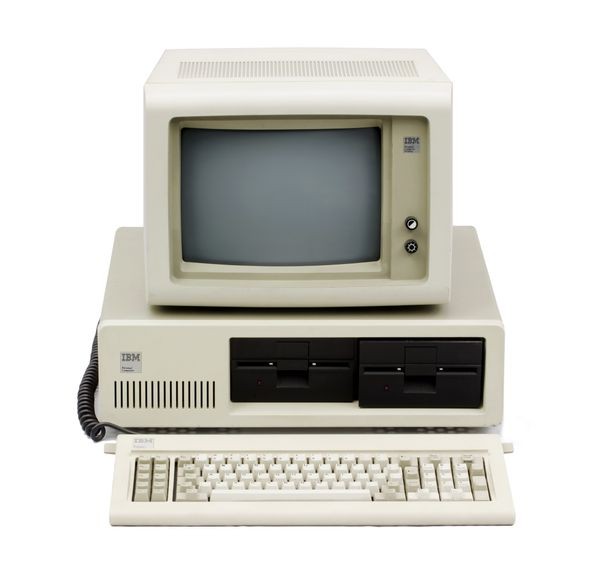
- IBM PC (1981) : The IBM 5150 brought immediate corporate legitimacy to small computers.
- The OS Deal : IBM used an open-architecture strategy and licensed its operating system (MS-DOS) from Microsoft.
- The Rise of Clones : Because IBM used off-the-shelf parts, reverse-engineered competitors like Compaq built “IBM-compatible” clones.
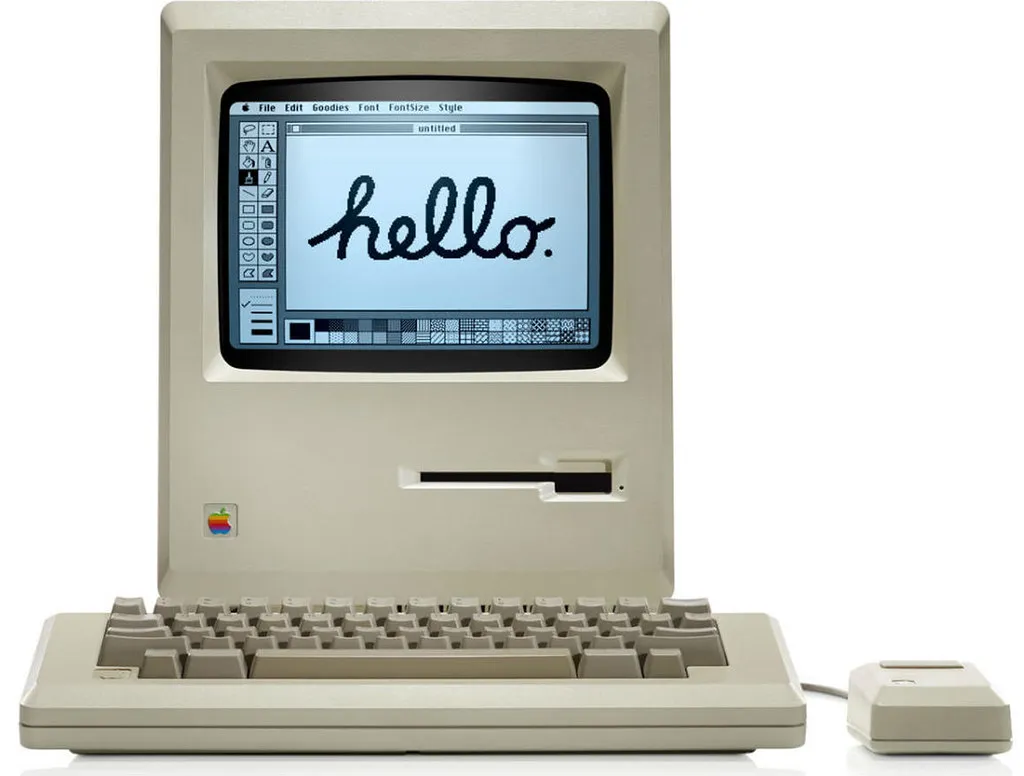
- Graphical User Interfaces : Apple introduced the Macintosh in 1984, popularizing the mouse and visual icons over text commands.
5. Desktop Dominance & The Internet Age (1990s–2000s)
Computers transformed from isolated processing workstations into interconnected communication portals.
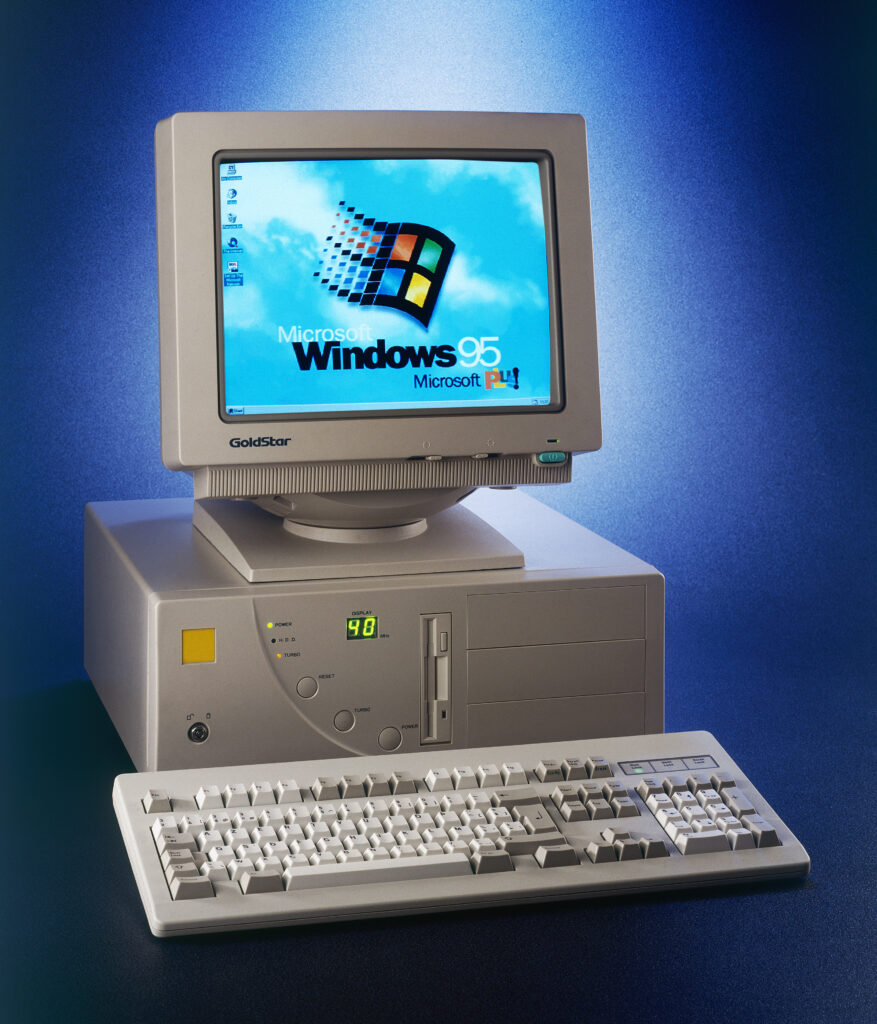
- Windows 95 : Microsoft’s launch merged MS-DOS and Windows into a dominant graphical operating system.
- World Wide Web : The rise of consumer internet browsers like Netscape and Mosaic integrated PCs into global web networks.
- Laptops & Portability : Technological advances allowed laptops to shift from heavy, niche business tools to mainstream primary devices.

6. The Modern Ubiquitous PC Era (2010s–Present)
Today, personal computers have shifted form factors and adopted specialized hardware.